
Bathroom Essentials Checklist
What every bathroom needs on day one and after, multiplied by the bathrooms you have. 25 items.

New toilet seats on day one. Soft-close toilet seats (about $35) are among the most upvoted answers in five threads, and owners treat the swap as a move-in-day job. A minority says porcelain just needs a hard scrub; the reply is that new seats are what make the house feel like yours. Skip the cheapest slow-close seats: one owner's broke within a month. (Reddit)

Day one
For the first night
-

Sellers rarely leave any, and every bathroom needs a roll before the truck is unloaded.
-
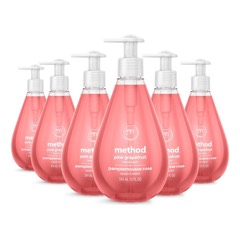
Every bathroom and the kitchen sink need a bottle on move day, when everyone's hands are filthy.
-
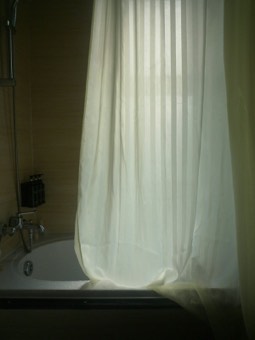
Measure first: standard curtains are 72 by 72 inches, but stall showers, extra-long tubs and clawfoot tubs need other sizes.
-
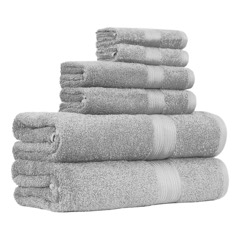
Pack one per person in the first-night box so nobody drip-dries after the first shower.
-
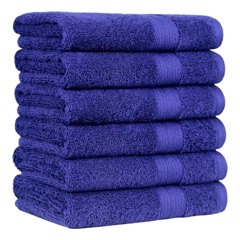
More bathrooms means more hand towels than an apartment needed, including the powder room guests use.
-
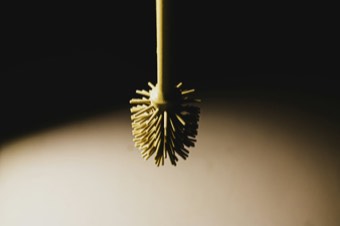
Keep one beside every toilet, since a single brush carried between floors rarely gets used.
-
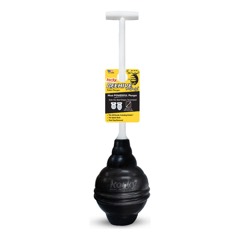
Use a flange plunger for toilets, not a flat cup plunger, and keep one by each toilet so you aren't running to another floor mid-clog.
-
Put them in a first-night bag, not a box that might end up in the wrong room.
-
Sellers sometimes take tension rods, and a curved rod adds elbow room in a standard tub.
-
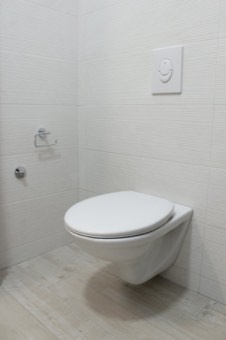
A new seat is one of the cheapest ways to make a previous owner's bathroom feel like yours; check round versus elongated before buying.
Owners say: Swap them on move-in day, not later. Get a soft-close seat; Mayfair's last, cheap no-name slow-close seats tend to break. (Reddit)


First week
The first normal week of living there
-
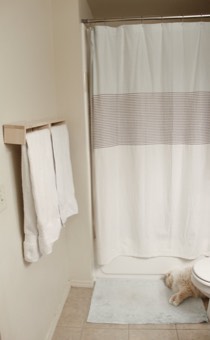
Tile floors are slippery when wet, so choose mats with non-slip backing.
-
Every bathroom needs one, and a lidded can matters in shared and guest baths.
-
Restock pain relievers, allergy medicine and a thermometer, since medicine often gets tossed in packing and you won't know the nearest pharmacy yet.
-
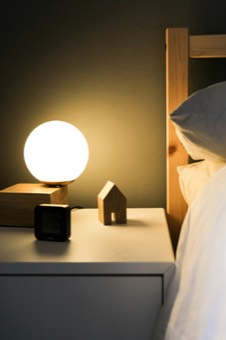
For the first few weeks you'll be finding bathrooms and stairs in an unfamiliar house in the dark.
-
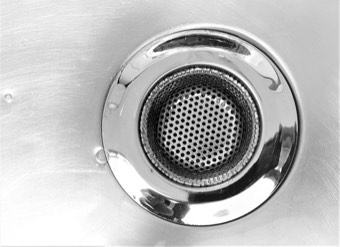
A catcher prevents most shower clogs, which take a snake or a plumber to clear once they form.
Owners say: TubShroom and Drain Zipper are the two owners name most. (Reddit)
-
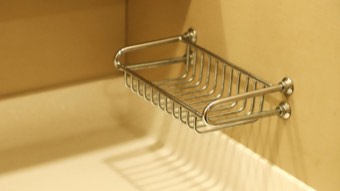
Many showers have no built-in niche, and a rust-proof caddy keeps bottles off the tub edge.
-
Worth it if anyone at home is very young, older or unsteady, since an unfamiliar tub is an easy place to fall.


First month
Once you’re settled
-
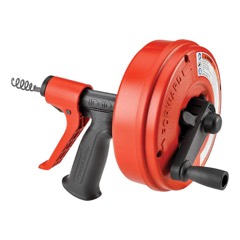
A barbed plastic strip or small hand auger clears hair clogs that plungers can't, without harsh chemical drain cleaners.
-
Bathrooms in older houses often have pedestal sinks with no cabinet at all.
-
Many bathrooms have a single towel bar, and over-door hooks add one per person without drilling tile.
-
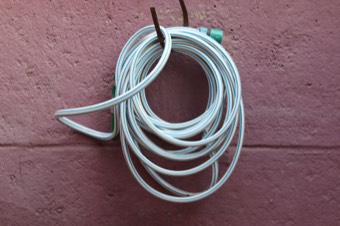
Failed plastic toilet feed lines are a classic flood story in owner threads. Braided lines are cheap insurance.
-
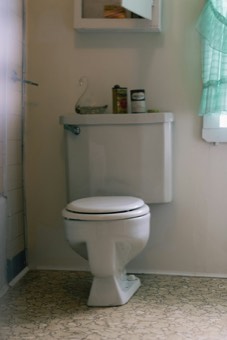
A brittle flapper or a too-short chain is behind most toilets that refill on their own. Having a spare makes it a five-minute fix.
-
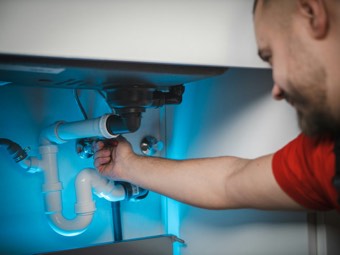
One owner recommends owning two snakes: a toilet auger for toilets and a separate drain snake for sinks and tubs. They clear most temporary clogs without a plumber.
Owners say: A basic hand-crank auger (about $6 at Harbor Freight) clears what a plunger can't. (Reddit)


Later
Upgrades and nice-to-haves
-
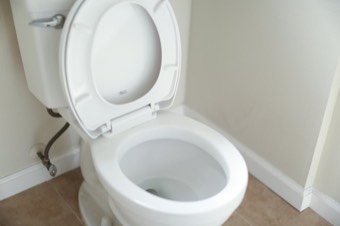
Most connect to the toilet's existing supply valve in under an hour; heated models also need an outlet nearby.
-
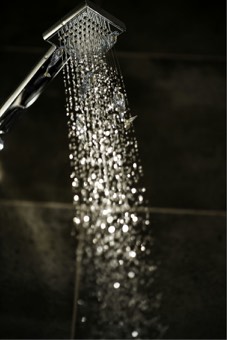
Makes rinsing the tub and bathing kids or pets easier, and swapping one usually takes only a wrench and thread tape.

