
Things to Buy for a New House: New Homeowner Essentials
Everything a new house needs, in the order you’ll miss it: what to have on day one, in the first week, the first month and later. Tick “Essentials only” for the new homeowner essentials. 267 items, each with why you need it and how many.

Buy almost nothing up front. The top answers in several threads say to hold off: you don't yet know what conveys or fits, the first repair bills come fast, and lenders can recheck your debt before closing (one couple who furnished on a credit card scrambled at the closing table). Nearly everyone names the same short list of exceptions, things to have before you need them: plungers, fire extinguishers, a shop vac, a water shutoff key, trash cans and toilet paper. (Reddit)
New or secondhand furniture. Most owners say to furnish slowly, room by room, from thrift stores, estate sales, Marketplace and Buy Nothing groups. Older solid-wood pieces often outlast new flat-pack, and you learn what the house needs. Check secondhand upholstery and beds for bed bugs before they come inside. The one thing nearly everyone says to buy new and spend real money on is the mattress. (Reddit)
Buy the shop vac before you move in. Owners in several threads needed one within days of getting the keys: a basement flood at 6 a.m., a toilet leak the day after closing, an expansion tank that burst at 1 a.m. If water is the main job, buy a small one (5 gallons or less): a full 20-gallon tank weighs over 160 lb. For a real flood, a small utility pump does better. (Reddit)

Day one
For the first night
-
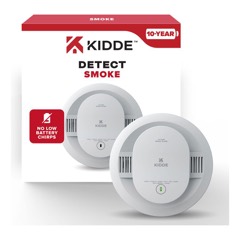
A house needs one in every bedroom, outside each sleeping area and on every level, and any alarm more than 10 years past the date on its back must be replaced, not just given a new battery.
-
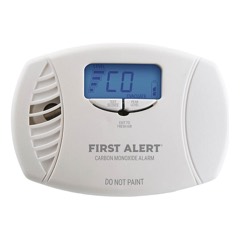
Any house with a gas furnace, water heater, range, fireplace or attached garage needs CO alarms near bedrooms and on every level, and the seller's units are often expired or missing.
-
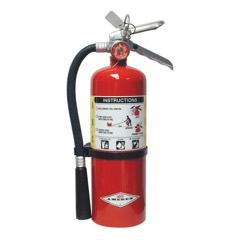
One apartment extinguisher won't cover a house: keep an ABC-rated unit in the kitchen, on every level and in the garage, where fires from tools and fuel start.
Owners say: Buy them in Costco multi-packs, one per floor plus the garage. Get metal-valve models: plastic-valve ones keep getting recalled. (Reddit)
-
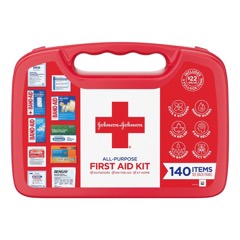
Moving day brings box-cutter cuts and pinched fingers, so keep the kit in the car or first-night box rather than on the truck.
-
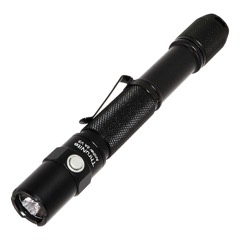
On the first night you may need light at the breaker panel, in the attic or crawl space, or in a room with no working fixture, and a headlamp leaves both hands free.
Owners say: Highly upvoted replies say a rechargeable LED light (Fenix, Olight, Streamlight) beats a big Maglite on brightness and battery life. (Reddit)
-
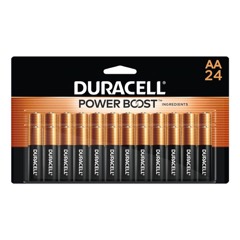
Smoke alarms, remotes, thermostats, keypad locks and flashlights all need batteries, and sellers rarely leave spares behind.
-
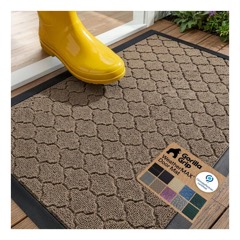
A mat inside and outside each door keeps grit from the moving truck from scratching your new floors on move day.
-
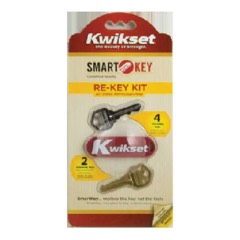
You can't know how many keys the previous owners, contractors and neighbors still have, so rekey every exterior door, including the one from the garage.
Owners say: One $15 Kwikset or Prime-Line kit rekeys about six locks; a 118-point reply did six cylinders in under an hour. Hardware-store counters rekey cylinders you bring in for $5–10 each. (Reddit)
-
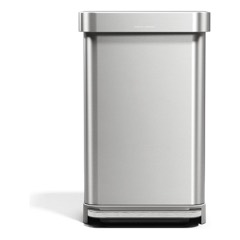
Unpacking produces trash within minutes, and sellers almost always take their bins.
-
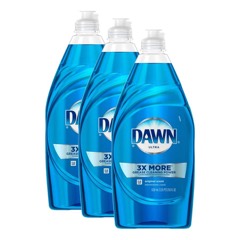
Even a takeout first night means rinsing something, and opened bottles of liquid are usually tossed before a move.
-
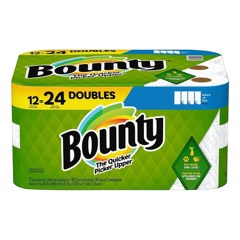
Move-in week burns through paper towels wiping shelves, spills and dusty boxes.
-
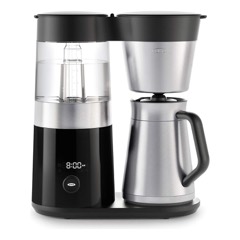
Pack it in the first-night box with mugs and coffee, because the first morning in a new house starts early.
-

Count place settings for your household plus regular guests, since a house usually means hosting more people than an apartment did.
-

Forks and spoons run out first when the dishwasher is full, so buy more than the number of people at home.
-

Glassware breaks in moves more than anything else, so check what survived when you unpack.
-

Sellers rarely leave any, and every bathroom needs a roll before the truck is unloaded.
-
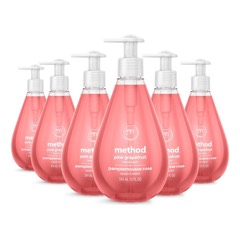
Every bathroom and the kitchen sink need a bottle on move day, when everyone's hands are filthy.
-
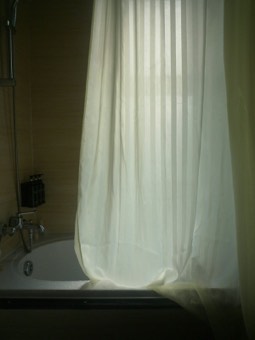
Measure first: standard curtains are 72 by 72 inches, but stall showers, extra-long tubs and clawfoot tubs need other sizes.
-
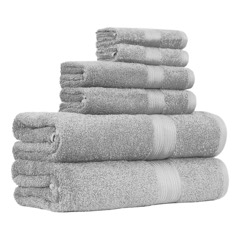
Pack one per person in the first-night box so nobody drip-dries after the first shower.
-
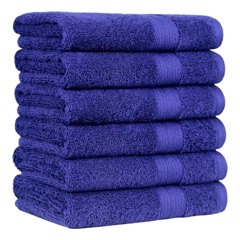
More bathrooms means more hand towels than an apartment needed, including the powder room guests use.
-

Keep one beside every toilet, since a single brush carried between floors rarely gets used.
-
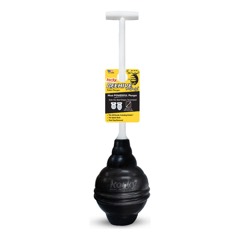
Use a flange plunger for toilets, not a flat cup plunger, and keep one by each toilet so you aren't running to another floor mid-clog.
-
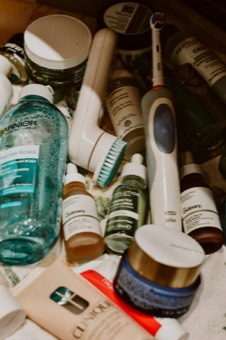
Put them in a first-night bag, not a box that might end up in the wrong room.
-

If you're buying new, schedule delivery for move-in day, and know that bed-in-a-box mattresses can take up to a day to fully expand.
-

Pack one set in a clearly labeled bin so the bed can be made first, and keep a second for laundry day.
-

Bring pillows in the car rather than the truck so the first night isn't spent without them.
-

A house with drafty windows or an older furnace can run colder at night than an apartment surrounded by neighbors' heat.
-
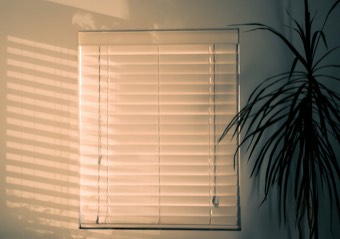
Sellers often take their curtains and new builds come with bare windows, so stick-on paper shades give privacy the first night.
-
Stick them on furniture legs before anything is set on hardwood or vinyl plank, since dragging a sofa once can leave permanent scratches.
-

Living rooms in many houses rely on lamps plugged into switched outlets, so without one the room is dark on the first night.
-

The first loads are usually move-day towels and sheets; use HE detergent if the washer is high-efficiency.
-
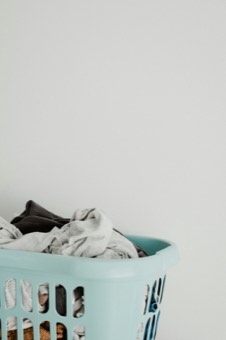
Handy on move day for carrying loose items between rooms, then for hauling loads between floors.
-
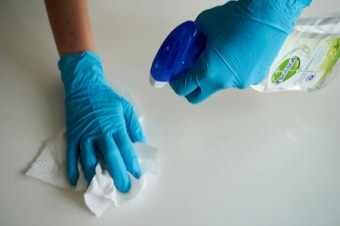
Wipe every cabinet, shelf and drawer before you unpack, even if the house was professionally cleaned.
-
A fast way to clean door handles, light switches and toilet seats before the first night.
-

Move-in creates bags of packing waste, and heavy-duty contractor bags handle anything the sellers left behind.
-

Washable cloths handle dusting, glass and wiping shelves without burning through paper towels.
-

You'll be cleaning toilets, fridges and drains that someone else used.
-

Soap scum in tubs and baked-on grime on stovetops won't come off with wipes.
-
Clean every tub, shower and sink before first use, since mildew in grout is common in houses that sat empty.
-
Toilets that sat unused in a vacant house often develop rings that need a dedicated cleaner.
-
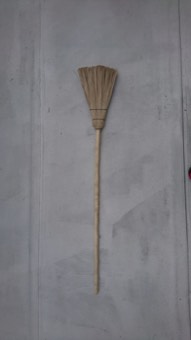
Sweep floors, the porch and the garage before the first boxes come in.
-
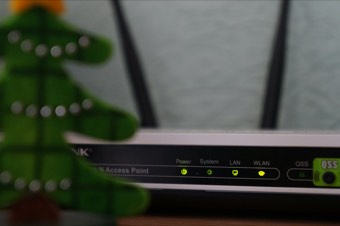
Book internet installation before closing because appointments can be a week out, and owning your modem avoids monthly rental fees.
-
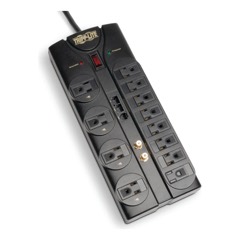
Older houses often have few outlets per room, and a surge protector also shields electronics from power spikes.
-
Keep the closing documents, deed, warranties and appliance manuals together from day one, since you'll need them for taxes and repairs.
-
Label each box with the room it goes to so movers put it in the right place, and keep a few sturdy boxes for storage.
-
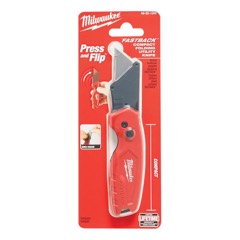
You'll open dozens of boxes the first night, and a retractable blade is safer with kids around.
-
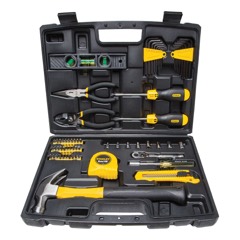
You'll need a screwdriver, hammer, pliers and tape measure on day one to reassemble beds and put up shades.
Owners say: Cheap hand tools are fine for home use: Harbor Freight sets, or a Husky, Kobalt or Craftsman homeowner kit. Spend on the hammer and pry bar instead; Estwing comes up in two threads as the pair that lasts a lifetime. (Reddit)
-
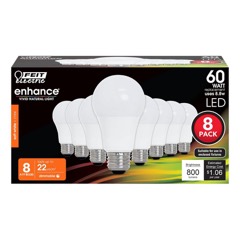
Sellers sometimes take bulbs or leave burned-out ones, and you won't find out which fixtures need them until dark.
-
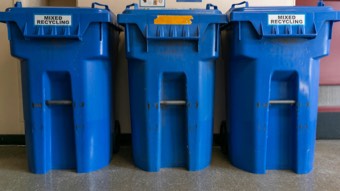
Check whether the city or HOA supplies bins and when pickup is, because sellers often take bins from private haulers.
-

Disposables get you through the days before the dish boxes are unpacked and the dishwasher has been run once.
-
Sellers sometimes take tension rods, and a curved rod adds elbow room in a standard tub.
-
A backup for the first night if the moving truck runs late or furniture delivery slips, and a guest bed afterward.
-

Gives you somewhere to eat and sign paperwork until real furniture arrives, then covers holidays and garage sales.
-
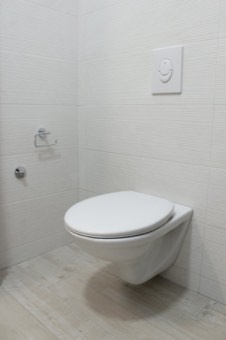
A new seat is one of the cheapest ways to make a previous owner's bathroom feel like yours; check round versus elongated before buying.
Owners say: Swap them on move-in day, not later. Get a soft-close seat; Mayfair's last, cheap no-name slow-close seats tend to break. (Reddit)
-

Owners use them constantly while settling in and later for deliveries. Sliders let you move heavy furniture on wood or tile without scratching it.


First week
The first normal week of living there
-
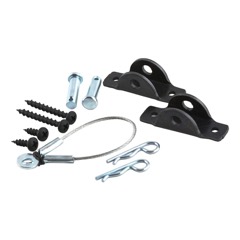
Tip-overs of dressers, bookcases and TVs injure thousands of children a year, so anchor each piece as you set it up instead of 'later'.
-
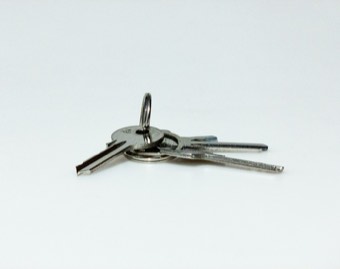
Closings often hand over only one or two keys; cut a copy for each adult and one for a trusted neighbor after you rekey.
-

A 10- to 12-inch nonstick pan covers eggs, stir-fries and reheating, which is most of what gets cooked the first week.
-
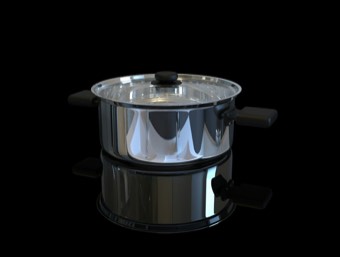
A 2- to 3-quart saucepan and an 8-quart stockpot handle pasta, rice and soup; check whether the new stove is induction, which needs magnetic pans.
Owners say: Buy-it-for-life owners name All-Clad stainless (wait for a sale) and Lodge cast iron as cookware that lasts decades. (Reddit)
-

One good 8-inch chef's knife does almost every job, while a big block set mostly adds knives you won't use.
Owners say: Skip the knife block. Owners say a Victorinox Fibrox chef's knife plus a paring and bread knife does nearly everything. (Reddit)
-

Keep a separate board for raw meat, and skip glass boards, which dull knives quickly.
-
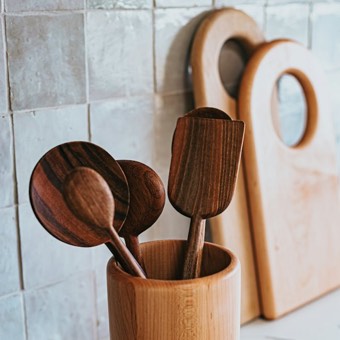
Silicone or wooden heads won't scratch nonstick pans, and one set covers almost every recipe.
-
Get a glass liquid measuring cup as well as dry cups, since recipes call for both.
-

You need it for pasta and washing produce, and it's one of the most commonly forgotten kitchen tools.
-
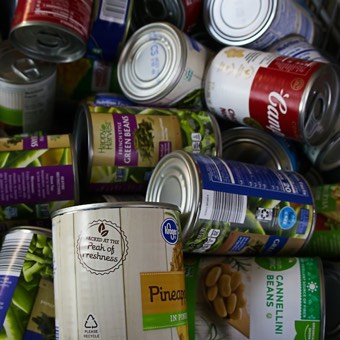
Easy to forget until the first canned-soup dinner, and first-week meals lean on canned food.
-

Rimmed half-sheet pans handle roasted vegetables, frozen dinners and cookies, and they catch drips in an oven you haven't cleaned yet.
-
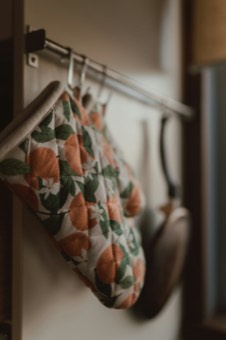
An unfamiliar oven may run hotter than your old one, and a hot pan set straight on quartz or laminate can crack or scorch it.
-

They dry dishes, hands and freshly wiped shelves, so you'll use more than you expect during unpacking.
-
Run the dishwasher empty once with detergent before first use to flush out whatever sat in it while the house was for sale.
-
Leftovers pile up in a week when you're too busy to cook every night, and glass containers go from fridge to microwave.
-

Opened rolls and boxes rarely make the move, and you'll need them after the first grocery run.
-
Spices and oils often get given away before a move, so the first grocery trip has to rebuild the basics.
-
Upper cabinets typically start about 54 inches off the floor, and you'll be unpacking into the top shelves all week.
Owners say: The Cosco 3-step stool sold at Costco is the steadiest many owners have used; Gorilla stools come up too. (Reddit)
-
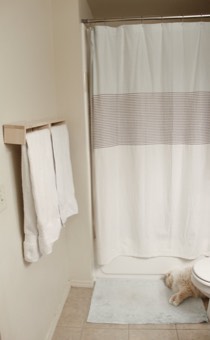
Tile floors are slippery when wet, so choose mats with non-slip backing.
-
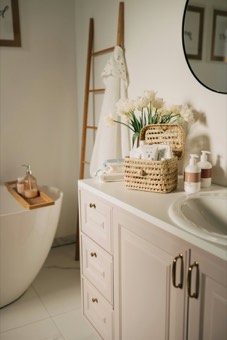
Every bathroom needs one, and a lidded can matters in shared and guest baths.
-

Restock pain relievers, allergy medicine and a thermometer, since medicine often gets tossed in packing and you won't know the nearest pharmacy yet.
-

Check that the frame and headboard fit up the stairs and around landings before delivery day.
-

A waterproof protector keeps a mattress clean, and stains can void the mattress warranty.
-
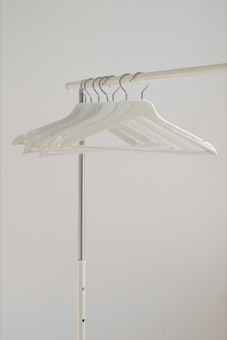
Houses usually have more closet space than apartments, and matching slim hangers fit more in it.
-
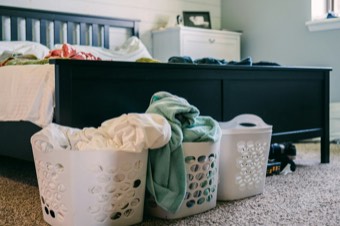
In a house the laundry room may be on another floor, so each bedroom needs its own hamper.
-
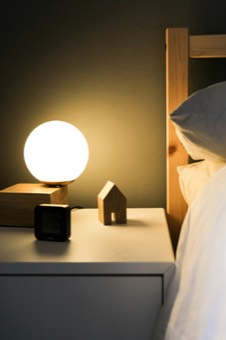
Many older houses have no ceiling light in bedrooms, only a switched outlet, so a lamp is the only light in the room.
-
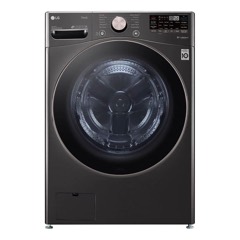
Confirm whether the sale includes them, and if not, measure the space, doors and stairs and check whether the dryer hookup is gas or electric.
-
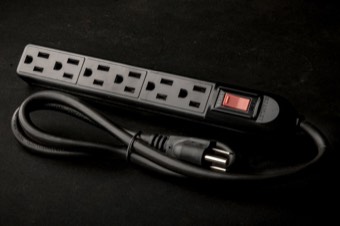
Most new electric dryers ship without a cord, so check whether the wall outlet is 3-prong or 4-prong before delivery day.
-
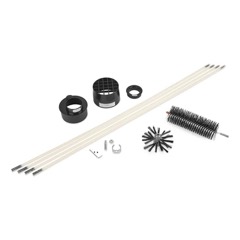
Replace any plastic or foil accordion duct with rigid or semi-rigid metal and clean the vent line, since lint buildup is a leading cause of dryer fires.
-
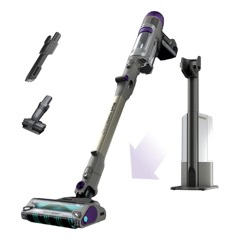
A cordless stick vacuum is easier to carry between floors than an apartment upright or canister.
Owners say: People who stopped replacing cheap vacuums every few years swear by a Miele canister. For daily pickup, a cordless stick (Dyson, or Shark for less) is the one people actually use. (Reddit)
-

Use a cleaner made for your floor type, since soaking hardwood with water can make the boards cup.
-
Outlets rarely line up with your furniture layout, and yard tools need an outdoor-rated cord.
-
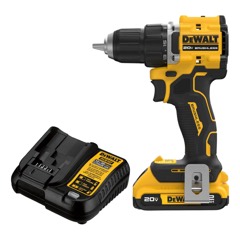
Much faster than a screwdriver for the curtain rods, shelves and anti-tip anchors a new house needs.
Owners say: Pick one battery platform and stay with it: the batteries are the expensive part. Ryobi ONE+ is owners' usual first choice on price; Milwaukee M18 and Makita for heavier use. Most say to get the drill and impact driver as a combo kit on a holiday sale. (Reddit)
-
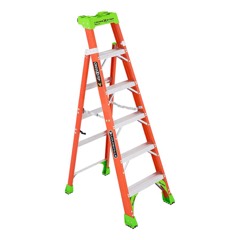
Ceiling bulbs, smoke alarms and high vents in a house are out of step-stool reach.
Owners say: Measure your ceilings first: one owner's 3-step ladder came up an inch short under 9 ft ceilings. Owners like a 6 ft fiberglass step ladder for steadiness, or a Little Giant multi-position ladder as one ladder for most jobs. (Reddit)
-
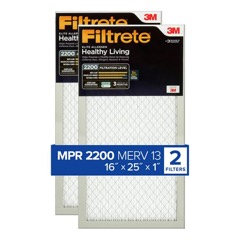
Replace the filter right after moving in because you don't know when it was last changed; the size is printed on the edge of the old one.
-
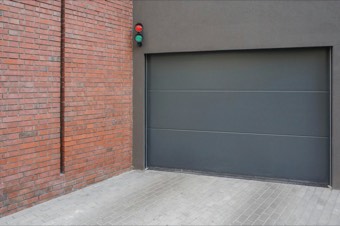
Sellers often leave only one remote, and you should reset the opener's code so old remotes and keypads stop working.
-
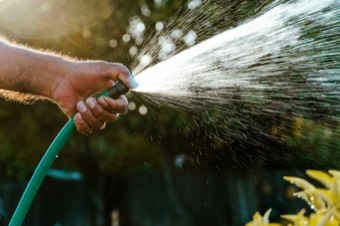
Measure from the spigot to the far corner of the yard first, since a hose that's too short won't reach the garden or the car.
-
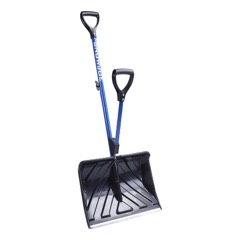
You're now responsible for your driveway and often the public sidewalk, which some towns require cleared within hours of snowfall.
-
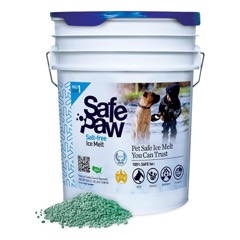
Rock salt can damage new concrete and hurt pets' paws, so choose a pet- and concrete-safe product for steps and walkways.
-
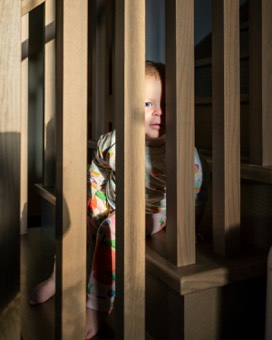
Only if young children live or visit: a new layout means new hazards like low cabinets under the sink and stairs without gates.
-
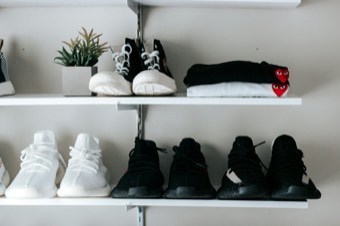
Keeps wet, muddy shoes off hardwood at the door you actually use, which in a house is often the garage or side door.
-

A nesting set doubles as serving and salad bowls while the rest of the kitchen is still in boxes.
-
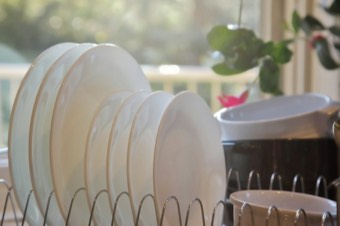
Useful even with a dishwasher for hand-wash items like knives, wooden boards and cast iron.
-
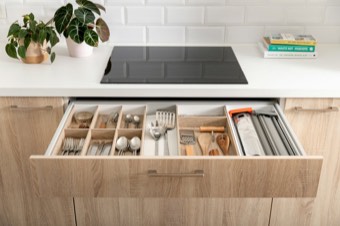
Line cabinets before you unpack so dishes don't sit on shelves with the last owner's stains or crumbs.
-
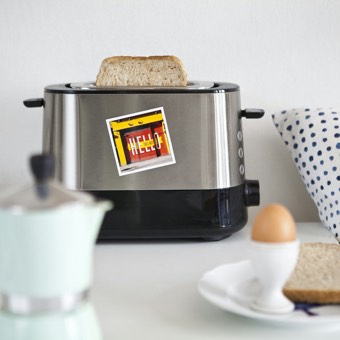
A toaster oven reheats and bakes small batches without heating the full oven.
-
The fridge's ice maker may be switched off or untested, and the first batches from a long-unused line should be thrown out.
-
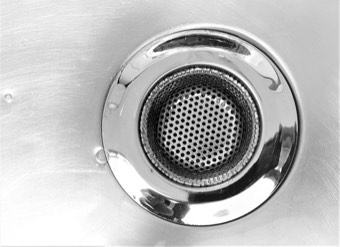
Keeps rice, peels and grease out of the drain, since even houses with a garbage disposal clog on them.
-
For the first few weeks you'll be finding bathrooms and stairs in an unfamiliar house in the dark.
-
A catcher prevents most shower clogs, which take a snake or a plumber to clear once they form.
Owners say: TubShroom and Drain Zipper are the two owners name most. (Reddit)
-
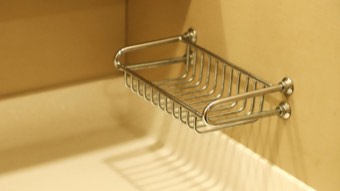
Many showers have no built-in niche, and a rust-proof caddy keeps bottles off the tub edge.
-
Worth it if anyone at home is very young, older or unsteady, since an unfamiliar tub is an easy place to fall.
-
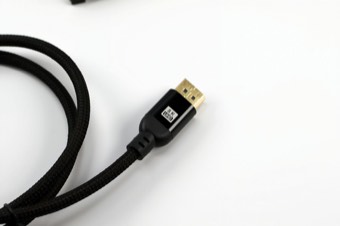
A TV in a new room usually ends up farther from the cable jack and outlets than before, so longer cables are often needed.
-
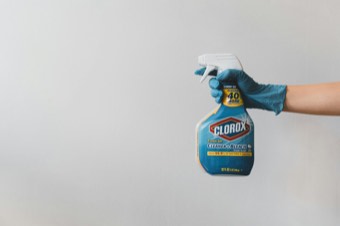
Moving leaves dust and grease from furniture and boxes on clothes and linens.
-
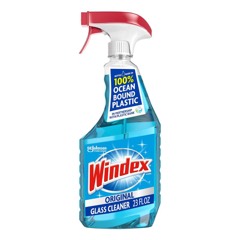
Windows and mirrors in an empty house show every streak once the sun hits them.
-

Needed for mopping, and for catching water when you open a sink trap or a leaky valve.
-
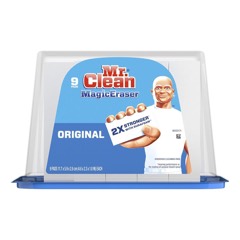
They take scuffs off walls, doors and trim left by the previous owners and the movers.
-
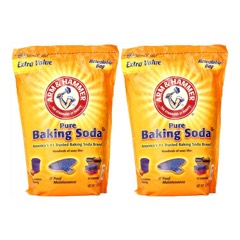
These deodorize a fridge, drain or carpet that still smells like the last owner.
-
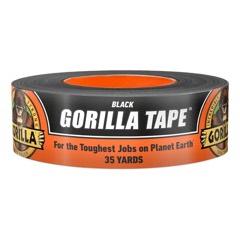
These handle the squeaky hinges, sticky locks and loose bits that show up in the first week.
-
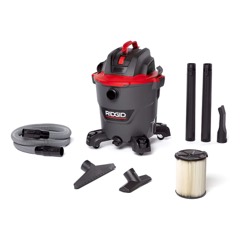
Handles garage dirt, drywall dust and water from a leak, all of which would ruin a household vacuum.
-
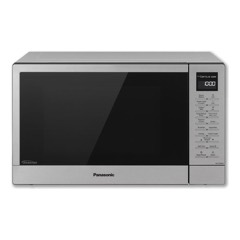
Many sellers take the countertop microwave with them; check before the first night of leftovers.
-
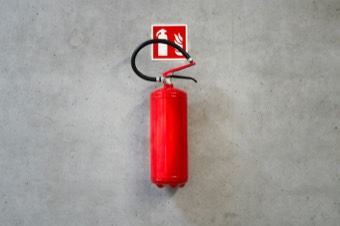
Owners in two threads add a fire blanket to the extinguisher for stovetop fires. Store it a few feet from the stove, where you can reach it without reaching over the flames.
-
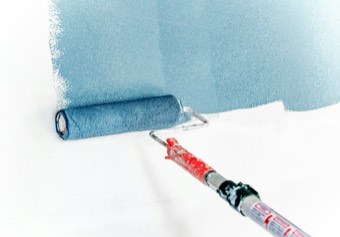
Painting is the first project for most new owners. Owners say to triple the rollers you think you need.
Owners say: Buy paint at a paint store (Benjamin Moore and similar): owners say it covers in fewer coats, so it can cost less overall than big-box paint. And buy more rollers than you think. (Reddit)


First month
Once you’re settled
-
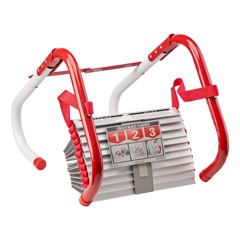
Every bedroom above the ground floor needs a second way out, and a folding ladder stored under the bed is that way out.
-
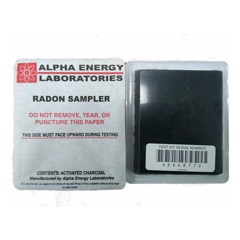
The EPA recommends testing every home, radon is the leading cause of lung cancer in non-smokers, and many home inspections skip the test.
-
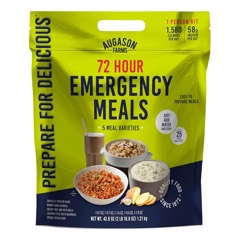
Plan on three days of water and non-perishable food, especially on a private well, where the pump stops when the power goes out.
-
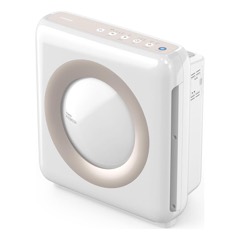
On wildfire smoke days indoor air turns unhealthy too, and a purifier sized for the bedroom plus a box of N95s protect you when you can't leave.
-
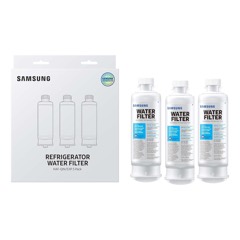
You don't know when the seller last changed it, and most fridge filters are rated for about six months.
-
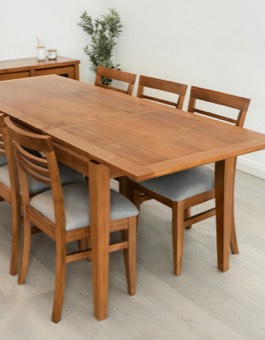
Measure the dining area first and leave about 36 inches between the table edge and the walls so chairs can pull out.
-

Mount rods 4 to 6 inches above the frame and wider than the window to block more light and make the window look bigger.
-
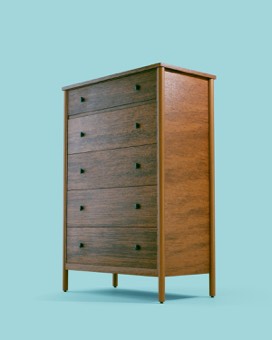
Anchor it to the wall with an anti-tip kit as soon as it's in place, especially in a child's room.
-
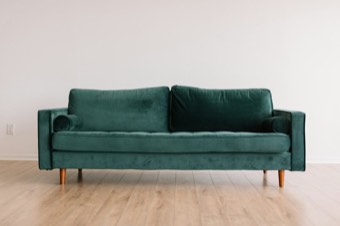
Measure doorways, hallways and stair turns before you buy, because a sofa that won't fit through the door is the classic delivery-day problem.
-
Front windows usually face the street, so once the lamps are on in the evening the whole room is on display.
-
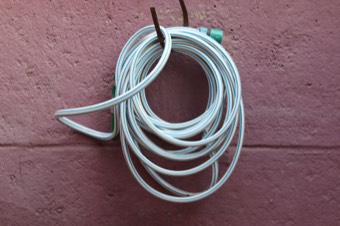
Rubber fill hoses can burst with age and flood a room, so replace any that are over five years old or of unknown age.
-
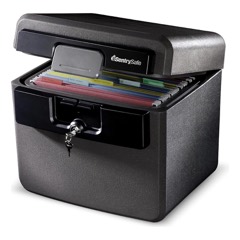
Protects the deed, passports and birth certificates; choose one rated for both fire and water.
-
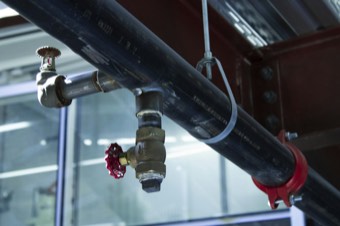
Pipes in crawl spaces, garages and exterior walls freeze first, so insulate them before the first hard freeze.
-
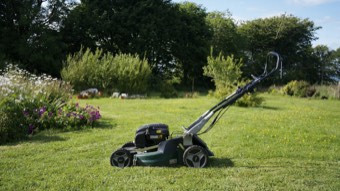
Unless an HOA or lawn service handles it, grass needs cutting about weekly in the growing season, and a battery mower suits most suburban lots.
-

Leaves left on the lawn smother the grass and clog gutters and storm drains.
-
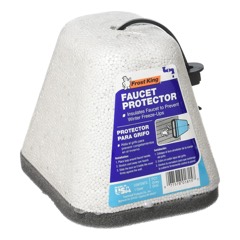
Disconnect hoses and cover outdoor faucets before the first freeze so the pipe inside the wall doesn't burst.
-
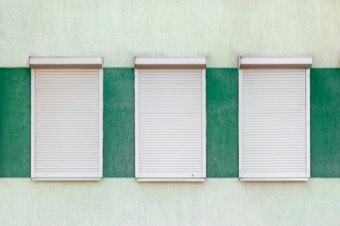
Pre-cut panels or shutters need to be ready before hurricane season, because plywood sells out once a storm is named.
-

Many homes lost to wildfire are ignited by embers blown into attic and crawl-space vents, which fine metal mesh blocks.
-
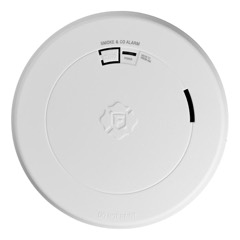
When replacing expired alarms in hallways outside bedrooms, a combo unit covers both hazards with one device and one battery to track.
-

Essential if the house is on a private well, because no utility tests well water for you; on city water it checks the pipes between the main and your tap.
-
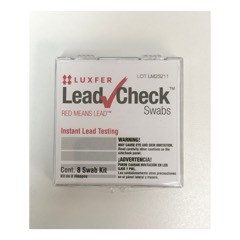
If the house was built before 1978, test old trim and window frames before you sand, scrape or drill them.
-
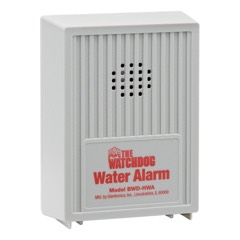
A battery sensor by the water heater, washer and each sink cabinet alerts your phone before a slow leak rots the subfloor.
-
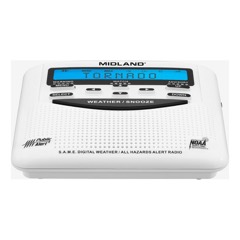
It can wake you for tornado, flood and storm warnings even when cell service and power are down.
-
The valve at the gas meter usually takes a wrench to turn, so keep one tied to the meter in case of a leak or earthquake.
-

Many houses have no coat closet by the everyday door, and a row of hooks stops coats and keys landing on the kitchen counter.
-

If a door has only a knob lock or a flimsy deadbolt, a Grade 1 or 2 deadbolt with 3-inch strike-plate screws is the most effective lock upgrade you can make.
-
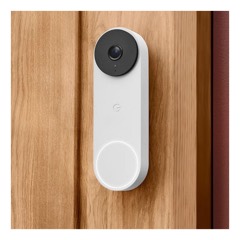
Shows who's at the door and deters package theft; check whether your existing doorbell wiring works or you need a battery model.
-
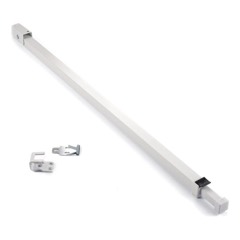
Older sliding patio doors can be lifted off their tracks, and a bar in the track stops the door from being forced open.
-
Set up the utensil drawer next to the stove before it turns into a junk drawer.
-
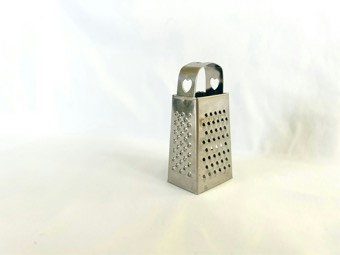
Small prep tools are easy to lose in a move and annoying to be without when a recipe calls for them.
-
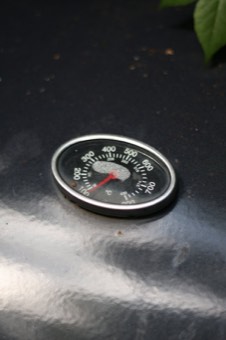
A new-to-you oven may run hot or cold, and a thermometer is the only reliable way to know meat is cooked.
-

A 9x13-inch baking dish is the pan most casserole and roast recipes assume you have.
-
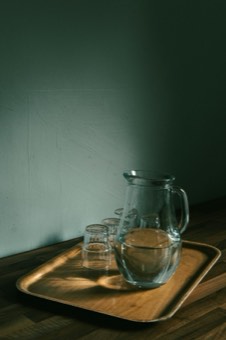
Improves taste while you wait on a water test, but check that the filter is certified for what you need removed, such as lead.
-
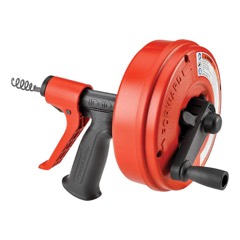
A barbed plastic strip or small hand auger clears hair clogs that plungers can't, without harsh chemical drain cleaners.
-
Bathrooms in older houses often have pedestal sinks with no cabinet at all.
-
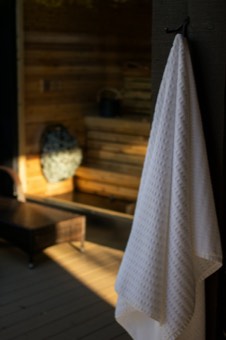
Many bathrooms have a single towel bar, and over-door hooks add one per person without drilling tile.
-
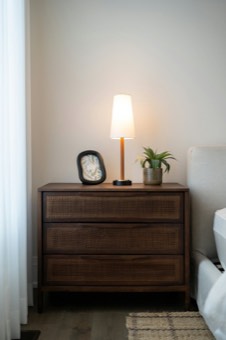
Choose ones with a drawer, about as tall as the mattress top, so a lamp, phone and water are within reach.
-

Houses rarely include one, and an over-door mirror needs no wall anchors.
-

If you wall-mount, screw into studs, since drywall anchors alone won't hold a large TV safely.
-

Leave 16 to 18 inches between the sofa and coffee table so people can walk through.
-

A non-slip pad keeps the rug from sliding and stops some rug backings from marking hardwood.
-
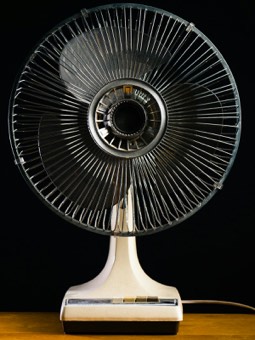
Moves air in rooms the HVAC doesn't reach well, like upstairs bedrooms and finished attics in summer.
-

Hooks, wire and anchors sized for drywall and plaster matter in older houses, where plaster cracks around a regular nail.
-
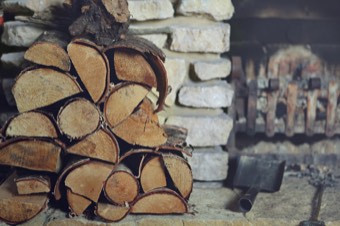
Have the chimney inspected and swept before the first fire, then use a screen to keep sparks off the floor.
-
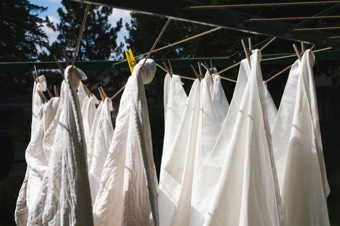
For sweaters and anything that shrinks; a wall-mounted rack saves floor space in a small laundry room.
-
Houses have higher ceilings, fan blades and vents than most apartments, and nobody cleans them during a sale.
-
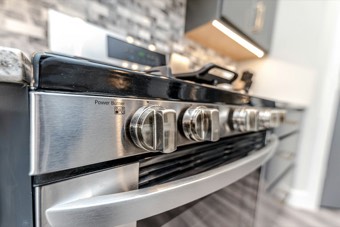
Clean the oven and hood filter before heavy use, since the last owner's grease can smoke and set off the smoke alarm.
-
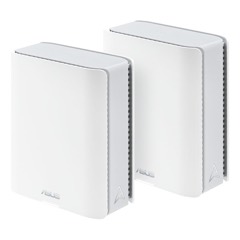
A single router rarely reaches the far bedroom, basement and backyard of a house, so mesh nodes fill the dead spots.
Our pick: ASUS ZenWiFi BT8Check price at ASUS -
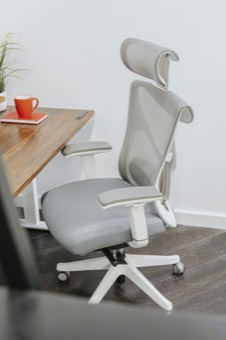
If you work from home, put the desk where the Wi-Fi is strong and windows won't glare on the screen.
-
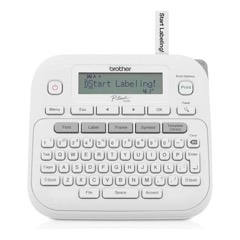
Label the breaker panel, water shutoffs and storage bins while you're still learning the house.
-
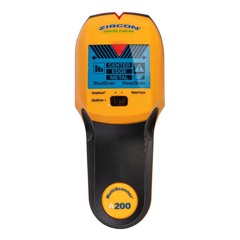
Use it before mounting a TV, heavy shelves or grab bars, and to avoid drilling into pipes and wires.
-
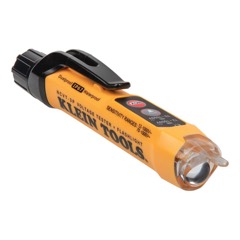
Confirms a circuit is really off before you swap a fixture or outlet, since breaker labels in older houses are often wrong.
-
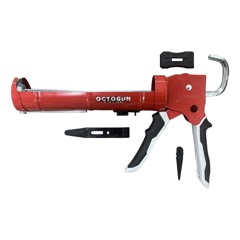
Resealing tubs, sinks, windows and trim is one of the first small jobs in any house.
-
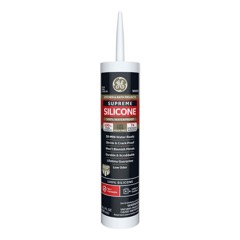
Cracked or moldy caulk around tubs and showers lets water into the walls, and recaulking takes an afternoon.
-
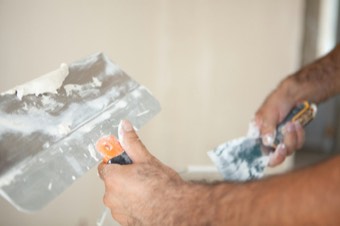
Fill the nail and anchor holes left by the previous owner's pictures and TV mounts before you paint.
-

Ask the seller to leave labeled leftover paint; otherwise have a paint chip color-matched at the store.
-

Yard work, attic trips and drilling overhead all call for hand and eye protection.
-
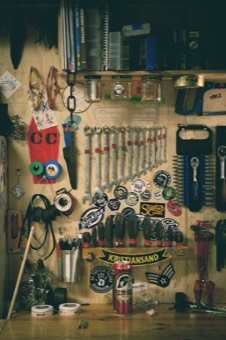
Gets boxes off the garage floor where water and pests reach them; anchor tall units to studs.
-
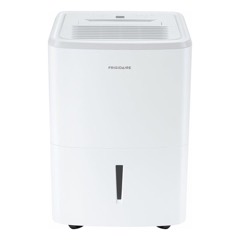
Basements above about 50 percent humidity grow mold and smell musty, and a model with a drain hose runs without emptying.
-
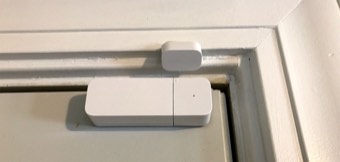
Sealing gaps around exterior and garage doors cuts drafts and keeps out mice and insects.
-

Mice move indoors in fall and a vacant house may already have them, so check the garage and basement for droppings.
-

Large, high-contrast numbers visible from the street help ambulances and delivery drivers find you at night.
-

Roof water should land at least 4 to 6 feet from the foundation, and short downspouts are a common cause of wet basements.
-
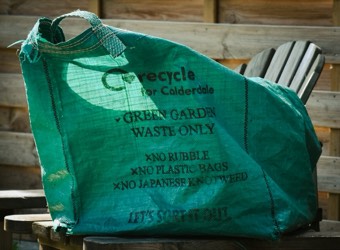
Many towns collect leaves and clippings only in paper bags, on set days.
-

For planting, edging beds and moving dirt or mulch.
-

Trims the edges along fences, beds and walkways that a mower can't reach.
Owners say: One battery for the whole yard (EGO or Ryobi), or one gas motor with swappable trimmer, edger and pole-saw heads (Echo, Stihl, Husqvarna). (Reddit)
-
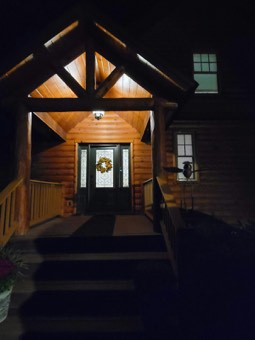
They light dark driveways, side yards and back doors, and solar models need no wiring.
-
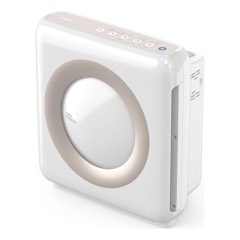
Dust from the move, a previous owner's pets and smoke days: a HEPA purifier in the bedroom helps when it matters most, while you sleep.
-
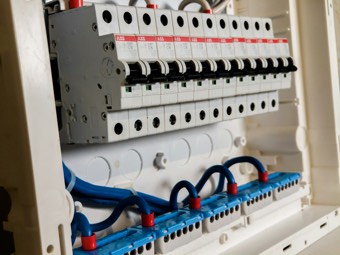
Owners mapping a panel alone use a plug-in tracer, or a loud radio or night lights, to see which breaker kills which outlet without running up and down stairs.
-
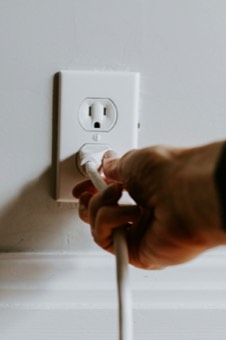
Cheap and fast for mapping circuits and checking wiring during a final walkthrough. It catches open grounds and reversed polarity that a voltage pen won't.
-
The shutoff at the meter or curb often needs a long key. Cold-climate owners say that valve is what limits damage when an indoor pipe bursts or the house valve fails.
Owners say: Meter-box lids vary, so try the key on your own box now. Owners like Husky's 4-in-1 meter key because it fits more lids. (Reddit)
-

Owners in humid areas track basement and living-space humidity and say the monitors caught problems before mold set in.
-
Failed plastic toilet feed lines are a classic flood story in owner threads. Braided lines are cheap insurance.
-
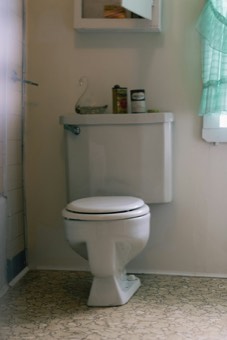
A brittle flapper or a too-short chain is behind most toilets that refill on their own. Having a spare makes it a five-minute fix.
-
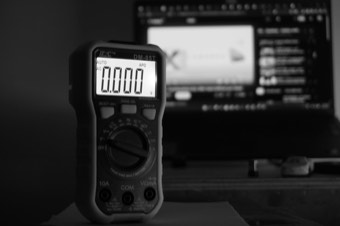
Some owners call it the most useful troubleshooting tool for electrical problems. Others say it's for advanced DIYers, so pair it with the non-contact tester.
-
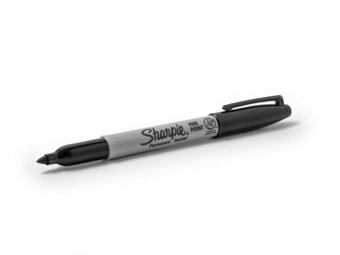
Owners write install and service dates directly on the furnace, water heater and cleanout. That record stays with the equipment, unlike an app.
-
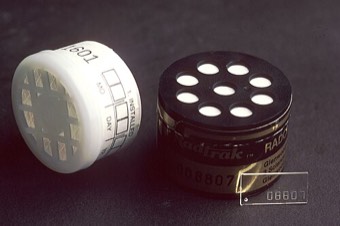
Owners in radon areas keep one in the basement to see real day-to-day levels instead of relying on a single short test.
-
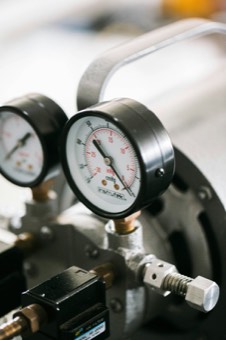
Needed to tell whether you have high pressure all the time (a failing pressure-reducing valve) or spikes after the water heater runs (missing expansion tank).
-

Shows mouse urine trails so you can find where they're getting in. Owners pair it with flour on the floor to spot fresh tracks.
-
Anode rod nuts are often seized, and owners say a standard wrench won't budge them.
-
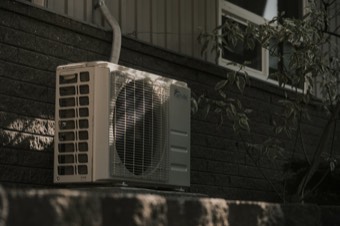
Gentle pulses from a bulb or a bag clear condensate clogs without blowing apart fittings the way a compressor can.
-

A cheap alarm set above the pump's float warns you before the pit overflows. One owner credits these with preventing many basement floods.
-
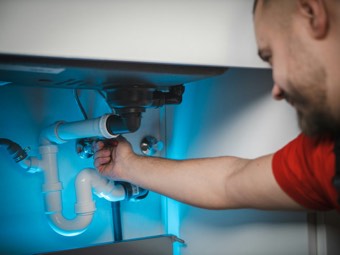
One owner recommends owning two snakes: a toilet auger for toilets and a separate drain snake for sinks and tubs. They clear most temporary clogs without a plumber.
Owners say: A basic hand-crank auger (about $6 at Harbor Freight) clears what a plunger can't. (Reddit)
-
These are separate from shelf liner. Owners lay them under kitchen and bathroom sinks before unpacking so a slow leak doesn't ruin the cabinet floor unnoticed.
-
These plug-in night lights switch on automatically when the power goes out. Owners like them as hands-free light during outages, especially with pets underfoot.
-

Owners say to buy goggles, earplugs, gloves and a respirator before your first project or mow, instead of squinting and holding your breath. A pebble thrown by a mower bent the grille on one owner's AC unit.
-
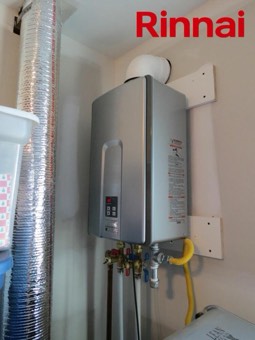
Owners suggest a drain pan under the washer and water heater, with a leak sensor inside, so a slow leak gets caught in the pan instead of soaking the floor.
-
Lets you check the drywall around toilets, tubs and sinks for hidden leaks before stains or mold show up.
-

Owners in two threads list it as a basic: you need it for small plumbing fixes like reconnecting a shower head or a hose fitting.
-
Owners call a ratchet set one of their most-used surprise tools. They've used it for bidet installs, mower repairs, garage door openers and the water heater's anode rod.


Later
Upgrades and nice-to-haves
-

It shuts the main automatically when it detects a leak, which matters most if you travel or the house sits empty for long stretches.
-
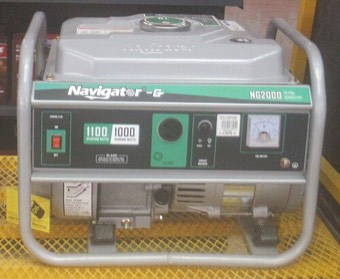
Worth having where outages last days; run it at least 20 feet from the house and never in the garage, where carbon monoxide builds up.
-
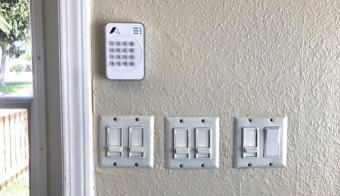
A self-installed system with door sensors and no contract is enough for most houses, and some insurers lower your premium for one.
-

A keypad ends lockouts and lets you give and revoke codes for dog walkers, cleaners and contractors without copying keys.
-
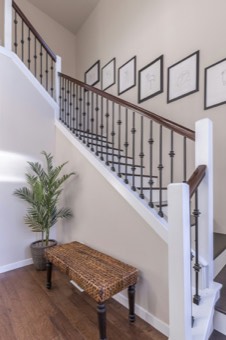
Gives you a place to sit and pull on boots, and one with storage underneath holds hats, gloves and dog leashes.
-

A sharp knife slips less, and a honing steel keeps the edge between sharpenings.
-
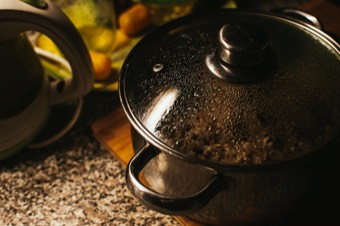
Makes weeknight dinners easier once you're commuting from the new location.
-

A house tends to mean hosting holidays, and one large platter plus two serving bowls cover most gatherings.
-

Measure first: 36-inch counters need 24- to 26-inch stools, while 42-inch bars need 28- to 30-inch stools.
-
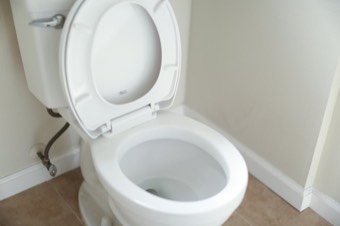
Most connect to the toilet's existing supply valve in under an hour; heated models also need an outlet nearby.
-

Makes rinsing the tub and bathing kids or pets easier, and swapping one usually takes only a wrench and thread tape.
-
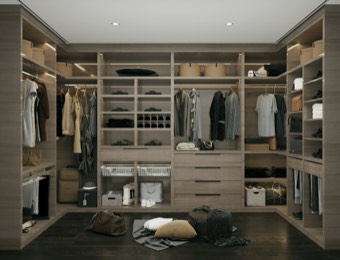
Live with the closet for a month first so you build shelves and rods around how you actually use it.
-
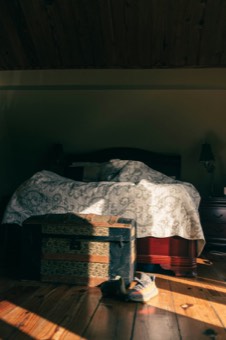
Measure the clearance under the bed frame first, since many frames leave less than 7 inches.
-
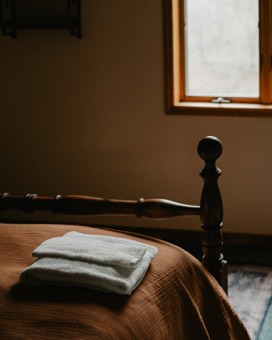
A spare room makes overnight guests likely, and a daybed or sleeper lets the room double as an office.
-
Softens hardwood underfoot and cuts noise to the room below in a two-story house.
-
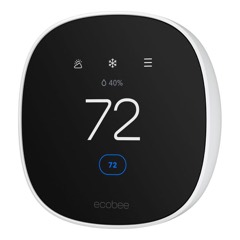
It learns your schedule and lets you adjust the heat remotely, but check that the HVAC wiring includes a C-wire first.
-

Tall bookcases need to be anchored to a stud, especially in homes with kids.
-
A quick way to make the room feel finished once the main furniture is in.
-

A handheld steamer takes less space and is faster for most wrinkles.
-
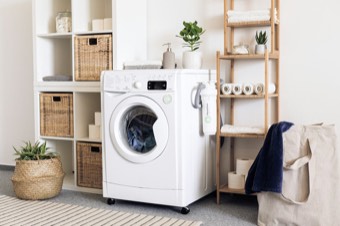
Many laundry rooms have no storage at all, and a shelf above the machines keeps detergent off the floor and away from kids.
-
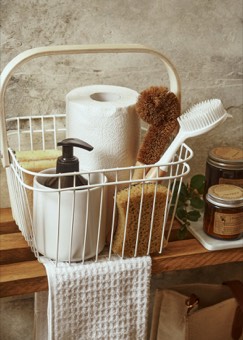
A stocked caddy on each floor saves carrying supplies up and down stairs.
-

Handles small stains; rent a deep-cleaning machine once for whole-house carpet instead of buying one.
Owners say: For a real leak, owners rent a Rug Doctor: it pulls water out of soaked carpet better than a wet vac. (Reddit)
-

Keeps one floor clean daily, but check that it handles your rugs and door thresholds.
-
Closing leaves piles of documents with account numbers, and mail for the previous owner keeps arriving.
-
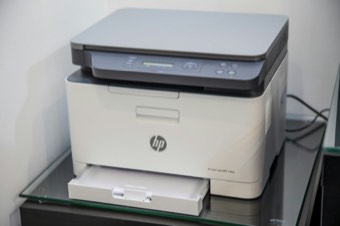
Useful for scanning warranties, receipts and closing papers into a digital home file.
-
Sump pumps stop when the power goes out, which often happens in the same storm that floods the basement.
-
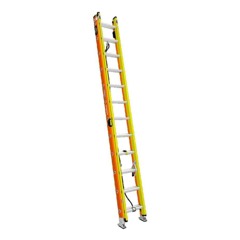
Needed for gutters and second-story windows; pick a length that reaches 3 feet above the roof edge.
-
A dedicated spot for tools means you can find them when something breaks.
-
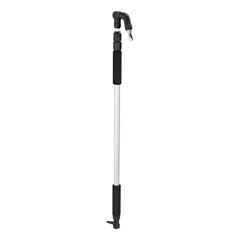
Gutters need cleaning at least twice a year, and a scoop plus a hose wand does it from a ladder.
-
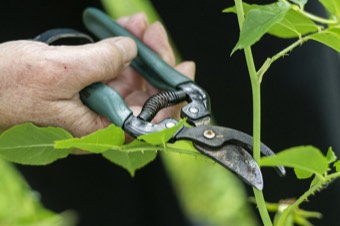
Shrubs grown against the house hold moisture on the siding and give insects a bridge inside.
-

Speeds up fall cleanup and clears grass clippings off the driveway after mowing.
-
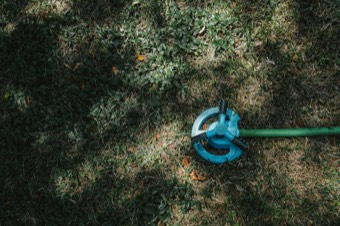
A timer can water at dawn, when less evaporates, and keeps a sprinkler from running all night if someone forgets it.
-
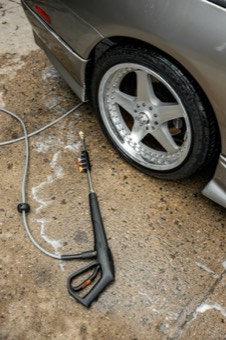
Cleans siding, decks and driveways, but use the lowest setting that works so you don't gouge wood or strip paint.
-

Check HOA rules and keep it at least 10 feet from the house and away from overhangs.
-

Measure the patio or deck first and leave room to walk around the table once chairs are pulled out.
-
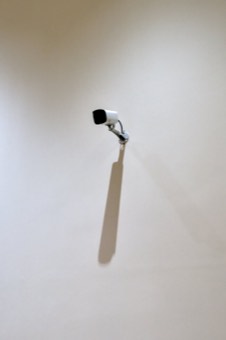
Cover the driveway and back door, and pick a brand that shares an app with your video doorbell.
-

Worth it for long driveways or regions with frequent heavy snow, where shoveling by hand takes hours.
-
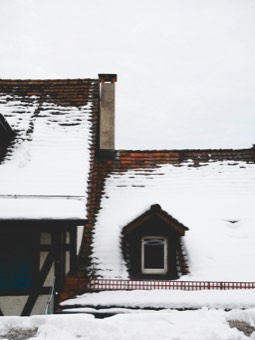
Pulling snow off the lower edge of the roof prevents ice dams that push water under the shingles.
-
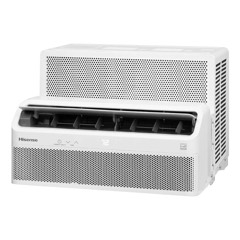
Cools one room for a fraction of what central air costs to run, and is the fix for the one bedroom that never gets cold.
Our pick: Hisense 8,000 BTU Smart Inverter Window Air Conditioner with Easy Install Bracket -
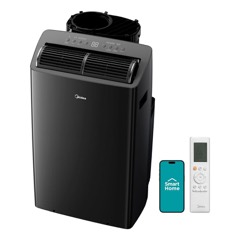
For rooms whose windows can't take a window unit (casements, sliders, HOA rules). Louder and less efficient than a window unit.
-
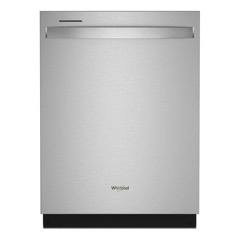
Only if the old one leaks, rattles or doesn't clean. A quiet one (about 47 dBA or less) matters in an open kitchen.
-
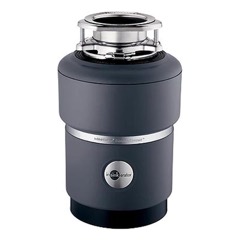
Old disposals jam and leak from the bottom. A 3/4 hp unit handles everyday scraps without clogging.
-
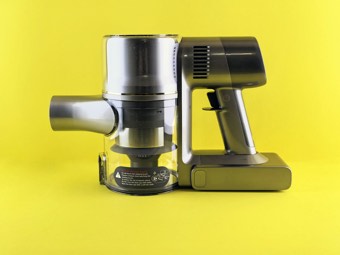
Kept in the bathroom, it picks up hair dry before you clean, which is the trick for cleaning bathroom floors. It also does stairs and the car.
-
For pet or kid accidents on carpet and upholstery. Enzymes break down urine; ordinary cleaners only cover the smell, so pets come back to the same spot.
-
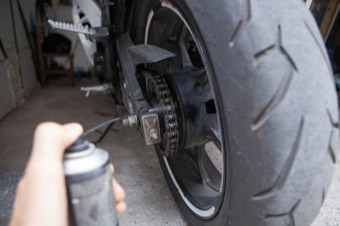
A silicone or lithium spray for rollers, hinges and springs once a year keeps the door quiet and the opener from straining.
-
A cheap mesh sock on the end of the washer's drain hose catches lint before it clogs drains. Owners on septic, with old pipes, or with a washer draining into a laundry sink say it's worth changing monthly.
-
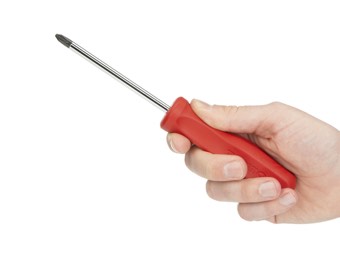
Owners say a cheap electric screwdriver with a range of hex bits cuts flat-pack assembly time a lot, without the stripping risk of a full drill.
-
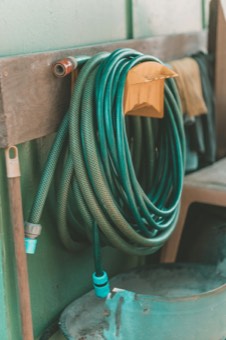
The top answer in a buy-it-for-life thread says to spend real money on a hose and a way to store it. Cheap hoses kink and leak, and putting them away neatly is a constant pain. A simple bracket on the wall works.
-
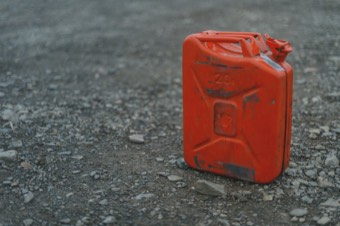
Owners with gas mowers and trimmers add stabilizer so old gas doesn't gum up the engine over winter and the tools still start in spring.
-
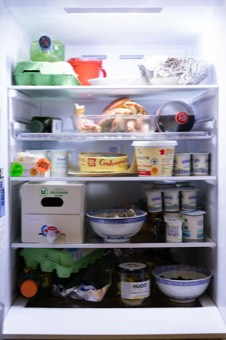
Two owners call a deep freezer one of the best day-one buys. One had it outlast several fridges and washers over 16 years. Another prefers an upright model because things get lost in a chest freezer.
-
Two owners installed one early and say it was easy to put in and makes tap water taste clean, without buying bottled water.
-
A failed capacitor is the most common reason an AC quits, and owners say it always happens on a weekend. Several keep an exact-rated spare (same microfarads and voltage) because some suppliers sell only to contractors, so a tech can swap it the same day. Capacitors hold a dangerous charge even with the power off: leave the swap to a tech unless you know how to discharge one safely.
-
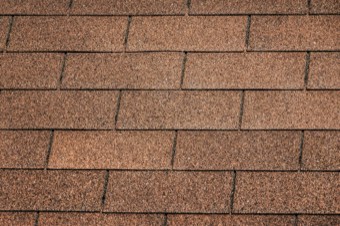
Several owners keep a waterproof heavy-duty tarp, not the thin blue kind, to cover a roof leak or broken window until a pro can come.
-
One owner (39 points) called them their best DIY purchase, for long jobs like painting baseboards or laying flooring.
-
For basement water, one owner keeps a pump with a 100-foot hose and an extension cord stored together. Another suggests a shop vac with a built-in pump-out.
-
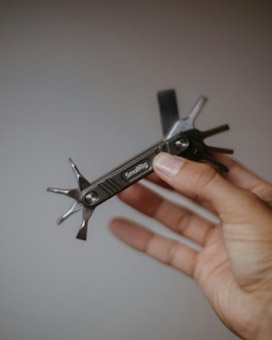
Owners in two threads recommend a full set of hex keys, from tiny to large. The ones that come with furniture are flimsy and hard to use.
-
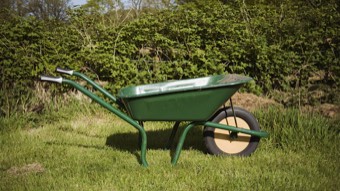
Owners with yards name it among the first things they had to buy, for mulch, soil, debris and hauling heavy items.
-
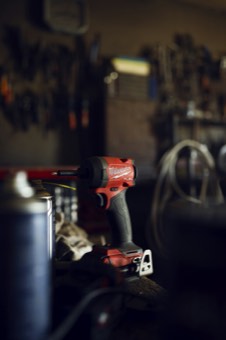
Two owners say it's their most-used power tool after the drill. They use it for cutting drywall, trimming baseboards, scraping and sanding.
-
Owners say a drill makes holes and an impact driver drives screws and lag bolts. The combo kit is the usual value buy, and several say they'd never go back.
-
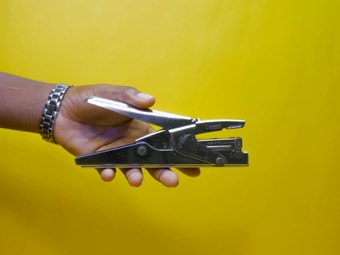
For a burst pipe, a cutter and a SharkBite-style end stop let you cap the line and turn the water back on for the rest of the house. You won't have time to go to the store.


