
Laundry Room Essentials
What you need for the first load and a laundry room that works. 12 items.


Day one
For the first night
-

The first loads are usually move-day towels and sheets; use HE detergent if the washer is high-efficiency.
-

Handy on move day for carrying loose items between rooms, then for hauling loads between floors.


First week
The first normal week of living there
-
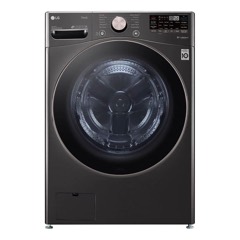
Confirm whether the sale includes them, and if not, measure the space, doors and stairs and check whether the dryer hookup is gas or electric.
-
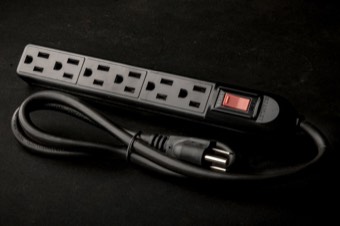
Most new electric dryers ship without a cord, so check whether the wall outlet is 3-prong or 4-prong before delivery day.
-
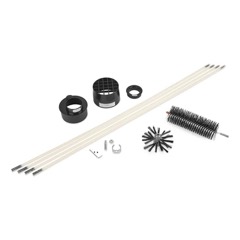
Replace any plastic or foil accordion duct with rigid or semi-rigid metal and clean the vent line, since lint buildup is a leading cause of dryer fires.
-

Moving leaves dust and grease from furniture and boxes on clothes and linens.


First month
Once you’re settled
-
Rubber fill hoses can burst with age and flood a room, so replace any that are over five years old or of unknown age.
-

For sweaters and anything that shrinks; a wall-mounted rack saves floor space in a small laundry room.
-
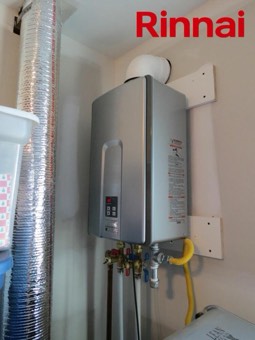
Owners suggest a drain pan under the washer and water heater, with a leak sensor inside, so a slow leak gets caught in the pan instead of soaking the floor.


Later
Upgrades and nice-to-haves
-

A handheld steamer takes less space and is faster for most wrinkles.
-

Many laundry rooms have no storage at all, and a shelf above the machines keeps detergent off the floor and away from kids.
-
A cheap mesh sock on the end of the washer's drain hose catches lint before it clogs drains. Owners on septic, with old pipes, or with a washer draining into a laundry sink say it's worth changing monthly.

