
Garage and Tool Essentials for New Homeowners
The tools and garage gear a house needs that an apartment never did. 52 items.

Buy the shop vac before you move in. Owners in several threads needed one within days of getting the keys: a basement flood at 6 a.m., a toilet leak the day after closing, an expansion tank that burst at 1 a.m. If water is the main job, buy a small one (5 gallons or less): a full 20-gallon tank weighs over 160 lb. For a real flood, a small utility pump does better. (Reddit)

Day one
For the first night
-

Label each box with the room it goes to so movers put it in the right place, and keep a few sturdy boxes for storage.
-
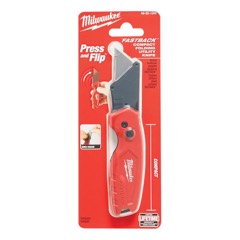
You'll open dozens of boxes the first night, and a retractable blade is safer with kids around.
-
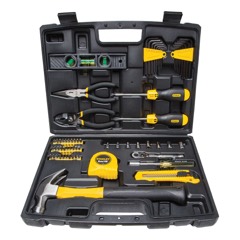
You'll need a screwdriver, hammer, pliers and tape measure on day one to reassemble beds and put up shades.
Owners say: Cheap hand tools are fine for home use: Harbor Freight sets, or a Husky, Kobalt or Craftsman homeowner kit. Spend on the hammer and pry bar instead; Estwing comes up in two threads as the pair that lasts a lifetime. (Reddit)
-
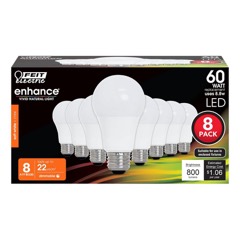
Sellers sometimes take bulbs or leave burned-out ones, and you won't find out which fixtures need them until dark.
-

Owners use them constantly while settling in and later for deliveries. Sliders let you move heavy furniture on wood or tile without scratching it.


First week
The first normal week of living there
-
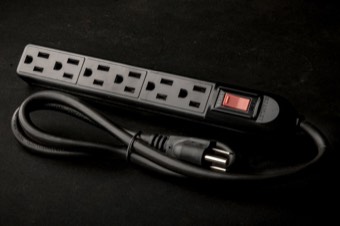
Outlets rarely line up with your furniture layout, and yard tools need an outdoor-rated cord.
-
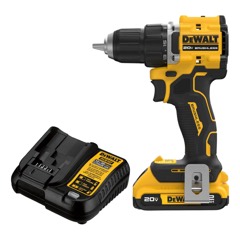
Much faster than a screwdriver for the curtain rods, shelves and anti-tip anchors a new house needs.
Owners say: Pick one battery platform and stay with it: the batteries are the expensive part. Ryobi ONE+ is owners' usual first choice on price; Milwaukee M18 and Makita for heavier use. Most say to get the drill and impact driver as a combo kit on a holiday sale. (Reddit)
-
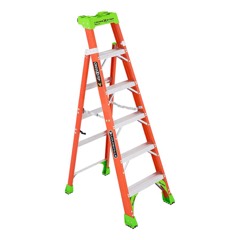
Ceiling bulbs, smoke alarms and high vents in a house are out of step-stool reach.
Owners say: Measure your ceilings first: one owner's 3-step ladder came up an inch short under 9 ft ceilings. Owners like a 6 ft fiberglass step ladder for steadiness, or a Little Giant multi-position ladder as one ladder for most jobs. (Reddit)
-
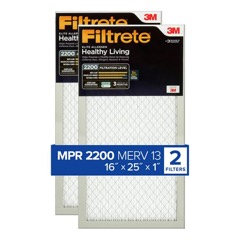
Replace the filter right after moving in because you don't know when it was last changed; the size is printed on the edge of the old one.
-
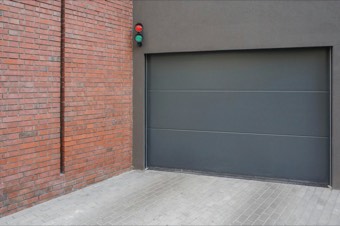
Sellers often leave only one remote, and you should reset the opener's code so old remotes and keypads stop working.
-
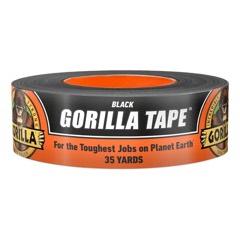
These handle the squeaky hinges, sticky locks and loose bits that show up in the first week.
-
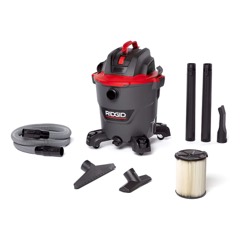
Handles garage dirt, drywall dust and water from a leak, all of which would ruin a household vacuum.
-
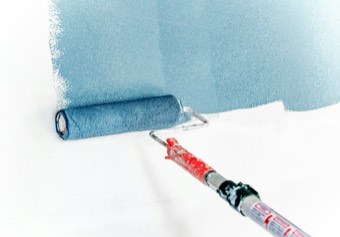
Painting is the first project for most new owners. Owners say to triple the rollers you think you need.
Owners say: Buy paint at a paint store (Benjamin Moore and similar): owners say it covers in fewer coats, so it can cost less overall than big-box paint. And buy more rollers than you think. (Reddit)


First month
Once you’re settled
-
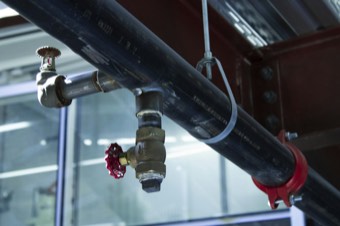
Pipes in crawl spaces, garages and exterior walls freeze first, so insulate them before the first hard freeze.
-
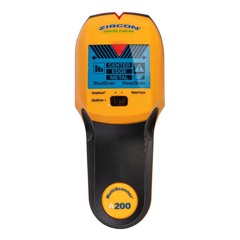
Use it before mounting a TV, heavy shelves or grab bars, and to avoid drilling into pipes and wires.
-
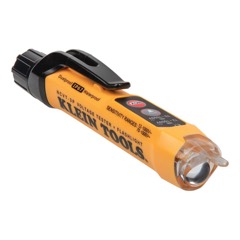
Confirms a circuit is really off before you swap a fixture or outlet, since breaker labels in older houses are often wrong.
-
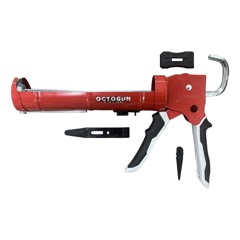
Resealing tubs, sinks, windows and trim is one of the first small jobs in any house.
-
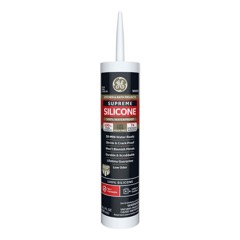
Cracked or moldy caulk around tubs and showers lets water into the walls, and recaulking takes an afternoon.
-
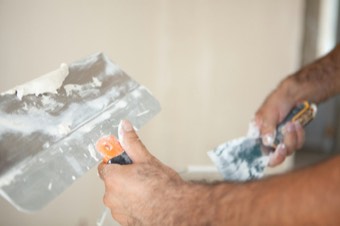
Fill the nail and anchor holes left by the previous owner's pictures and TV mounts before you paint.
-

Ask the seller to leave labeled leftover paint; otherwise have a paint chip color-matched at the store.
-

Yard work, attic trips and drilling overhead all call for hand and eye protection.
-
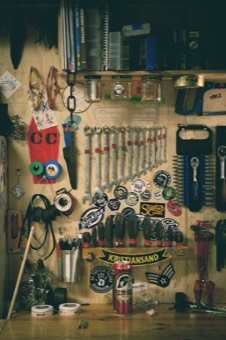
Gets boxes off the garage floor where water and pests reach them; anchor tall units to studs.
-
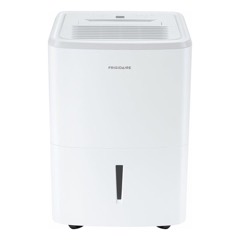
Basements above about 50 percent humidity grow mold and smell musty, and a model with a drain hose runs without emptying.
-
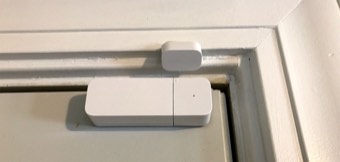
Sealing gaps around exterior and garage doors cuts drafts and keeps out mice and insects.
-

Mice move indoors in fall and a vacant house may already have them, so check the garage and basement for droppings.
-
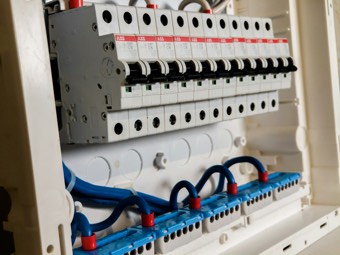
Owners mapping a panel alone use a plug-in tracer, or a loud radio or night lights, to see which breaker kills which outlet without running up and down stairs.
-
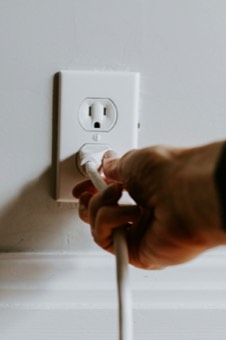
Cheap and fast for mapping circuits and checking wiring during a final walkthrough. It catches open grounds and reversed polarity that a voltage pen won't.
-
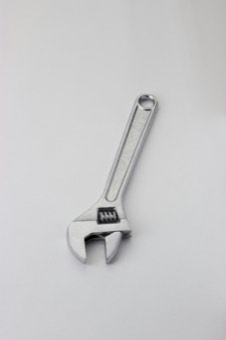
The shutoff at the meter or curb often needs a long key. Cold-climate owners say that valve is what limits damage when an indoor pipe bursts or the house valve fails.
Owners say: Meter-box lids vary, so try the key on your own box now. Owners like Husky's 4-in-1 meter key because it fits more lids. (Reddit)
-
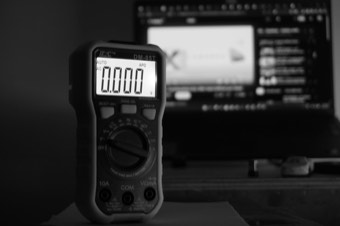
Some owners call it the most useful troubleshooting tool for electrical problems. Others say it's for advanced DIYers, so pair it with the non-contact tester.
-
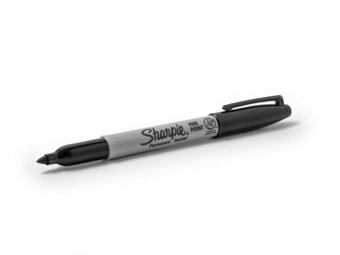
Owners write install and service dates directly on the furnace, water heater and cleanout. That record stays with the equipment, unlike an app.
-
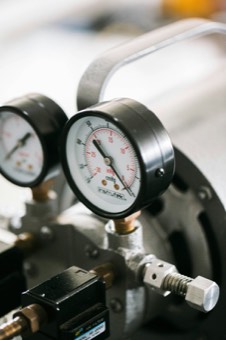
Needed to tell whether you have high pressure all the time (a failing pressure-reducing valve) or spikes after the water heater runs (missing expansion tank).
-

Shows mouse urine trails so you can find where they're getting in. Owners pair it with flour on the floor to spot fresh tracks.
-
Anode rod nuts are often seized, and owners say a standard wrench won't budge them.
-
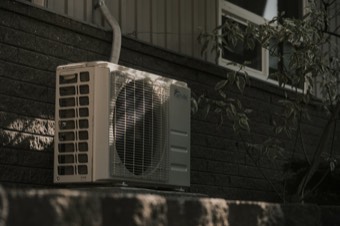
Gentle pulses from a bulb or a bag clear condensate clogs without blowing apart fittings the way a compressor can.
-
A cheap alarm set above the pump's float warns you before the pit overflows. One owner credits these with preventing many basement floods.
-

Owners say to buy goggles, earplugs, gloves and a respirator before your first project or mow, instead of squinting and holding your breath. A pebble thrown by a mower bent the grille on one owner's AC unit.
-
Lets you check the drywall around toilets, tubs and sinks for hidden leaks before stains or mold show up.
-

Owners in two threads list it as a basic: you need it for small plumbing fixes like reconnecting a shower head or a hose fitting.
-
Owners call a ratchet set one of their most-used surprise tools. They've used it for bidet installs, mower repairs, garage door openers and the water heater's anode rod.


Later
Upgrades and nice-to-haves
-
Sump pumps stop when the power goes out, which often happens in the same storm that floods the basement.
-
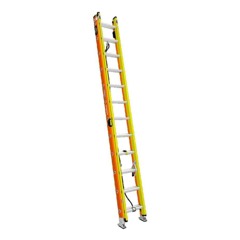
Needed for gutters and second-story windows; pick a length that reaches 3 feet above the roof edge.
-
A dedicated spot for tools means you can find them when something breaks.
-
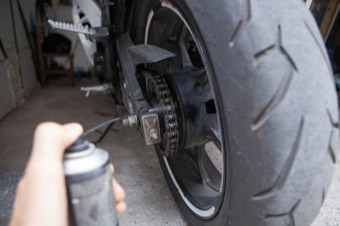
A silicone or lithium spray for rollers, hinges and springs once a year keeps the door quiet and the opener from straining.
-
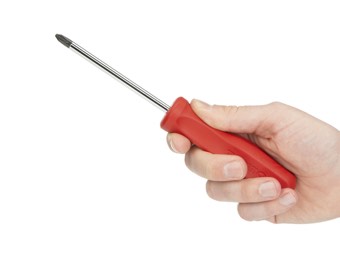
Owners say a cheap electric screwdriver with a range of hex bits cuts flat-pack assembly time a lot, without the stripping risk of a full drill.
-
A failed capacitor is the most common reason an AC quits, and owners say it always happens on a weekend. Several keep an exact-rated spare (same microfarads and voltage) because some suppliers sell only to contractors, so a tech can swap it the same day. Capacitors hold a dangerous charge even with the power off: leave the swap to a tech unless you know how to discharge one safely.
-

Several owners keep a waterproof heavy-duty tarp, not the thin blue kind, to cover a roof leak or broken window until a pro can come.
-

One owner (39 points) called them their best DIY purchase, for long jobs like painting baseboards or laying flooring.
-
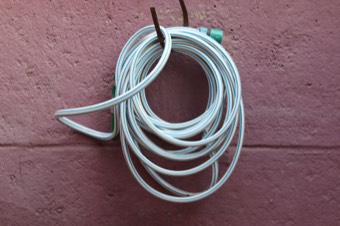
For basement water, one owner keeps a pump with a 100-foot hose and an extension cord stored together. Another suggests a shop vac with a built-in pump-out.
-
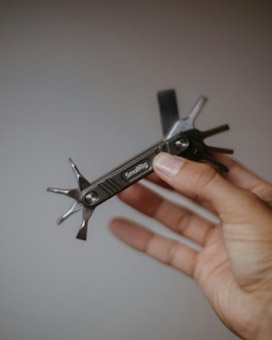
Owners in two threads recommend a full set of hex keys, from tiny to large. The ones that come with furniture are flimsy and hard to use.
-
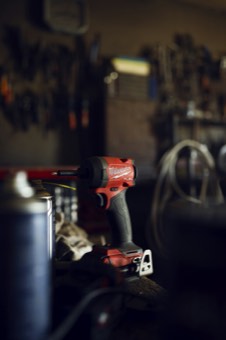
Two owners say it's their most-used power tool after the drill. They use it for cutting drywall, trimming baseboards, scraping and sanding.
-
Owners say a drill makes holes and an impact driver drives screws and lag bolts. The combo kit is the usual value buy, and several say they'd never go back.
-
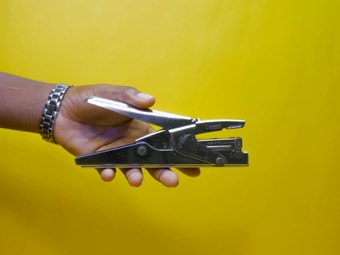
For a burst pipe, a cutter and a SharkBite-style end stop let you cap the line and turn the water back on for the rest of the house. You won't have time to go to the store.


